When research becomes a playground

Approaching research
The process of scientific research is systematic. Its criteria are reproducible and verifiable, the results objectively measurable. It has a fixed rhythm, starting with a hypothesis, which is tested towards measurable data. If it holds, it gets published, if not the method of testing is revised until it does.
Artistic and design research works from a different starting point. The question does not come from a hypothesis but from a place of open curiosity, there is no expected or measurable outcome. Research questions are shaped around subjective experiences and unexpected insights rather than confirmation of what was already suspected. We find answers and create questions by checking in with our bodies and intuition. Does this feel authentic? Does it resonate? Does it have a critical impact?
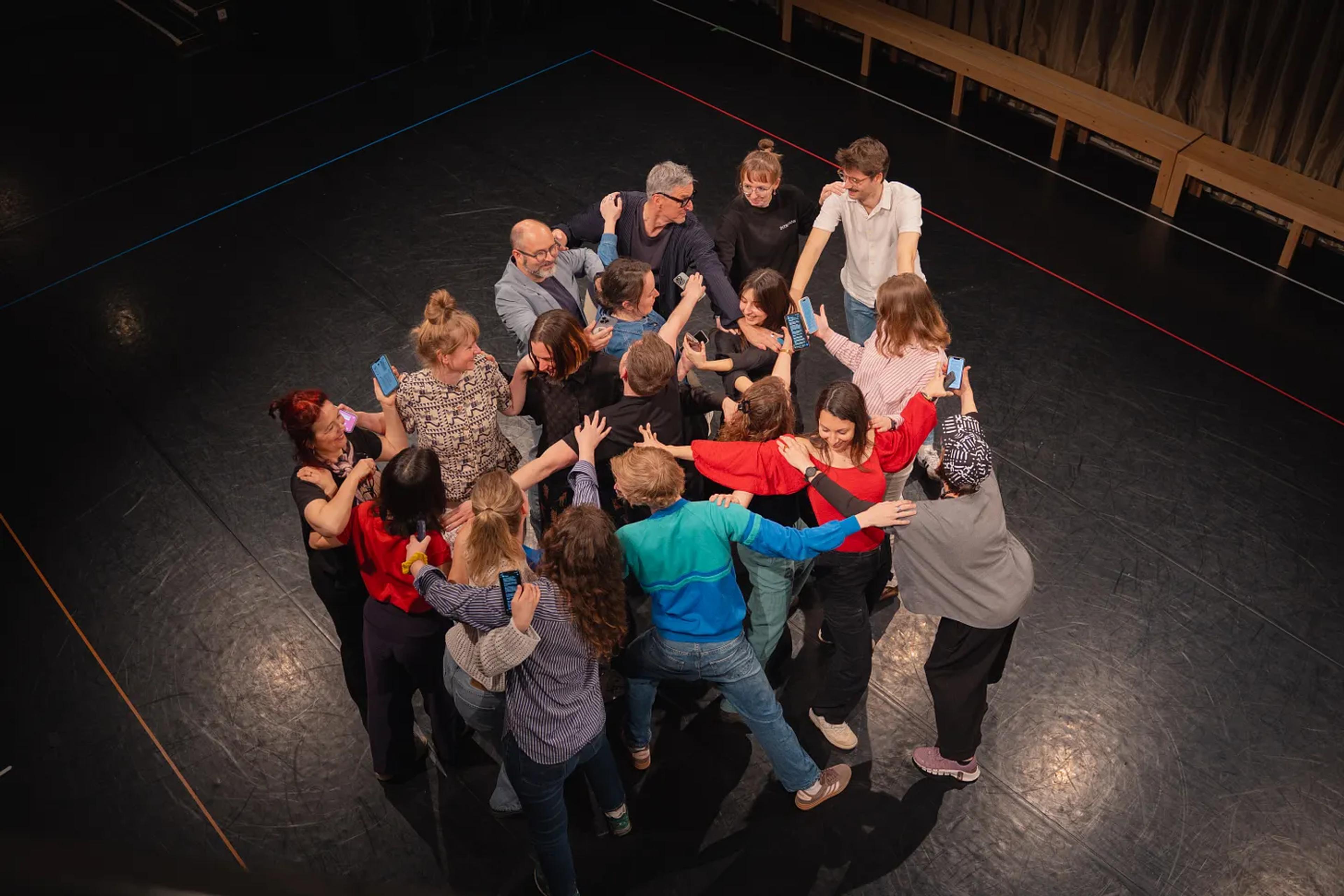
Play
A challenge within artistic and design research is getting outside our own perspective. Expertise and personal preferences makes this process unique to everyone and simultaneously will create blind spots. That is why Fillip Studios consists of a multidisciplinary team of varied creative expertises; design, art, technology & research. We celebrate the mix of skills, interests and characters of our team, the invitation to share creates cross-pollination which brings new insights.
Our approach towards artistic and design research holds a set of practices, for surfacing what you can't find alone. One practice that we have developed is called a playdate.
A playdate is a structured space, in which we explore together with others, for the explicit purpose of generating insights that couldn’t be generated individually. This is a valuable method within our team, but especially when we work with partners or clients who bring in knowledge and experience which is new to us. Because a playdate provides clear guidance on what is expected from participants and observers, it invites exploration and free thinking.
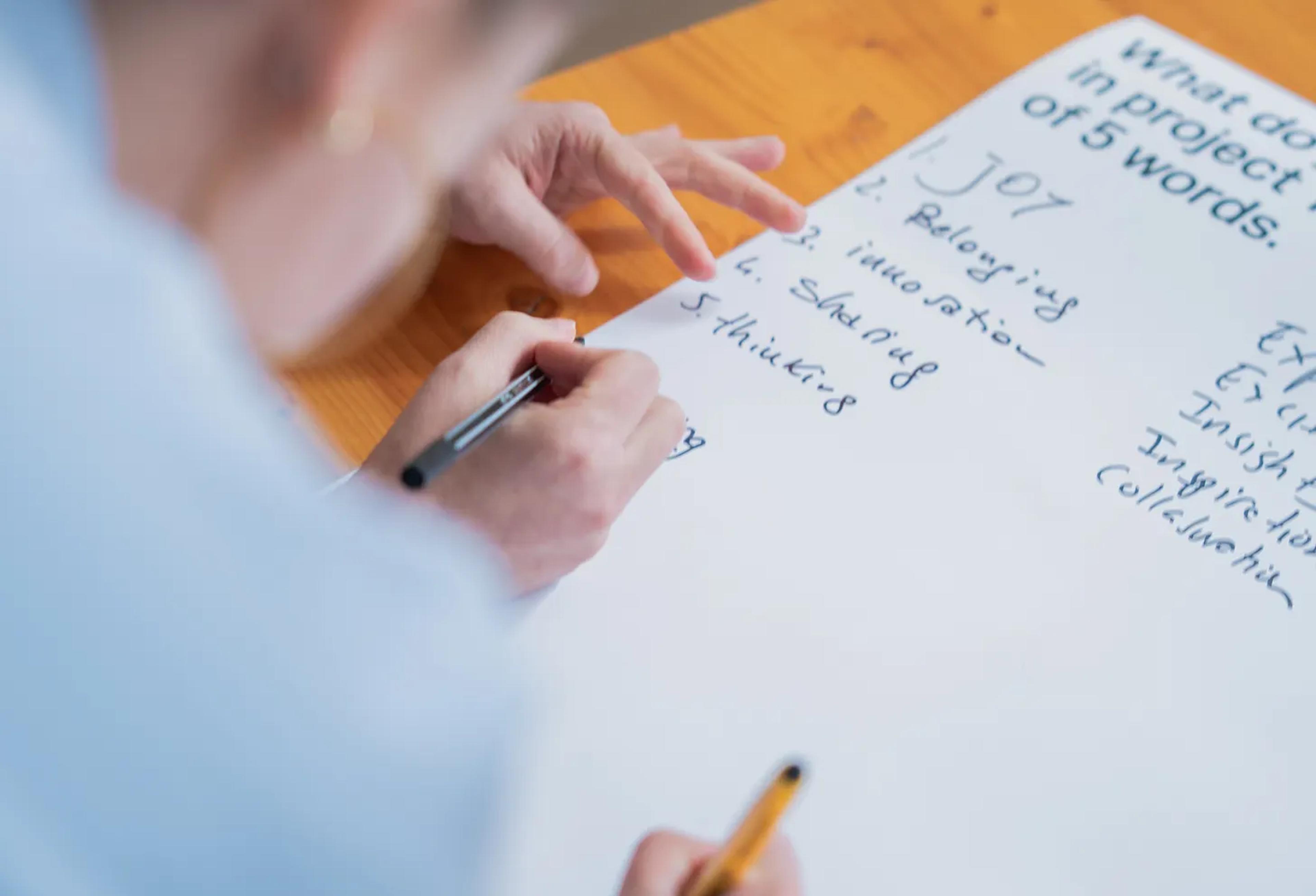
Something we build in as part of playdates is time for reflection, asking people to write something down, and shared moments at the end of the session.
The interesting and unexpected does not happen by presenting a finished insight. It happens during the reflection on it by others.
We found observations we didn’t expect. That was the best part, because it was exactly the point. Every partner picked what they found interesting and continued with it. That feedback sharpened our research questions in ways we hadn’t been able to do from the inside. The thing you weren’t looking for turns out to be the thing that mattered.
Most creatives know how to make space for the unexpected within their own process. We came up with the playdate because we want to extend our research and thinking beyond our own world.
Our playdates
We are currently part of a consortium conducting research for a project called Thuis (the Dutch word for ‘Home’), in which we explore what it takes to feel at home in public spaces. This is a two year project and our consortium has a wide variety of partners. Next to Fillip Studios, it holds a contemporary dance company, a social design studio and academic researchers from two different universities. Because we are not in the same location, we invited our partners to explore using playdates when we are together, resulting in a different approach and kind of research entirely.
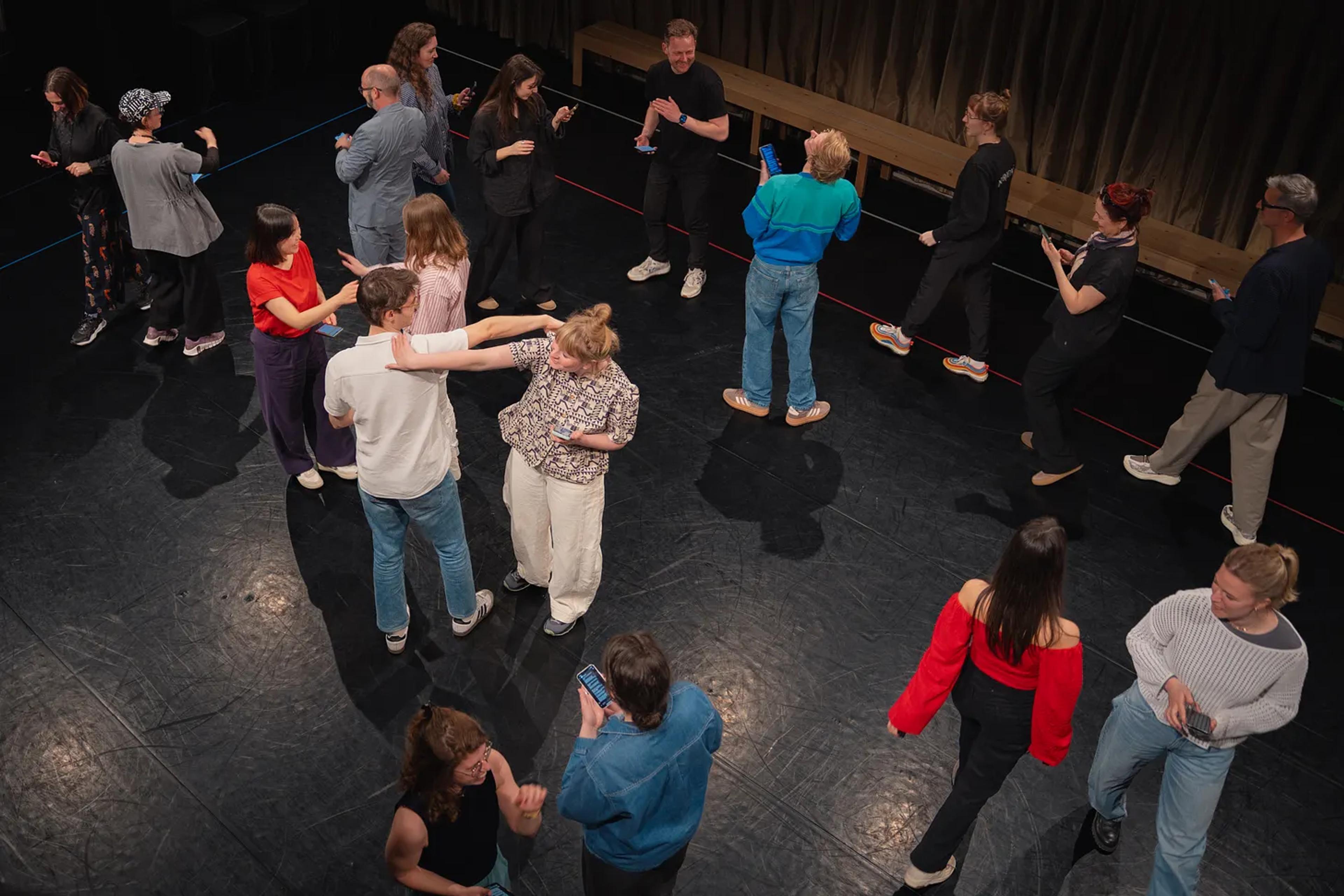
Our playdates have taken many forms. A guided dance session that prioritised embodied experience, over formulated research questions. A carousel in which participants rotated between interactive artworks. A group experiment with unfamiliar sensor technology, observing when individuals start acting as a group. An exercise where each individual had a fixed set of items and seven minutes to make an empty room feel comfortable. A social media driven game that unveiled our willingness to follow rules and showed the group dynamics.
How to playdate
There is not one fixed formula, as a playdate should serve the initiator, the project, the people involved and the research phase. What stays consistent is combining different disciplines with real connection, and taking the time to reflect afterwards.
From our experience we can share a few things to keep in mind when setting up a playdate.
A playdate needs to be prepared in detail, so the participants can immerse themselves in the activity. Create an environment and timeframe without any distractions to which the participants are invited.
Adding constrictions might sound contradictory but clarity about time and expectations make play productive; they give people something to push against. A time limit, rules, a goal. That friction is where insights tend to surface.
Keep the playdate a space to be free, improvise and explore, without any consequences. Taking away the element of analysis provides room to think (and be) outside of the box. This is where the most valuable insights come from.
Reserve time to reflect after the playdate, it is valuable to do this straight after and come back to it regularly in the weeks after. Photographing and recording the playdate can be helpful to recall the experience and add new perspectives.
Playdates can be used at any time in the project and can be of any size, shape or format. They can be the start of a project, a deep dive with your team, a tool to address miscommunication with a client, etc.
Connection
A playdate is an invitation to surface new knowledge. The encounter between different people with different kinds of expertise brings a change in perspective from which ideas appear.
This approach creates the space for dialogue that cannot be held in words alone. This is important to us. The deepest forms of understanding and connecting come from being genuinely open to what others see and experience.
In our sector work is generally shared in only one direction, whether it is a pitch, a client presentation or portfolio. The work is presented, the other can only react. Making this moment sensory and participatory, we shift from presentation to shared experience. That opens a different kind of connection and conversation.
If you are working on something complex, something that touches on how people connect or experience the world, we would like to hear what you’re exploring.